
The Detroit River-Western Lake Erie CWMA strike team and members survey for over 45 species of terrestrial and aquatic invasive species. These are broken into three categories, which help in determining managements plans. These groups were recently updated in March 2025.
They are:
Priority species, species with treatment potential already in our service area: Amur honeysuckle, Autumn olive, Black alder, Common buckthorn, Common privet, Cut leaf teasel, Dame’s rocket, European frog-bit, Garlic mustard, Giant knotweed, Glossy buckthorn, Golden -and-silver honeysuckle, Itadori knotweed, Multiflora rose, Phragmites, Red barberry, Roundleaf bittersweet, Tatarian honeysuckle, Wild teasel
EDRR species, species we look for but aren’t yet in our service area and are the highest priority if found: Black swallow-wort, Carolina fanwort, Cinnamon vine, Common water hyacinth, European waterclover, Hydrilla, Kudzu, Lesser celandine, Mile-a-minute weed, Pale swallow-wort, Parrot feather watermilfoil, Purple jewelweed, Starry stonewort, Stiltgrass, Water lettuce, Yellow floating heart
Additional species, species we keep an eye out for that are widespread and/or not feasibly treatable: Black locust, Creeping thistle, Curly leaf pondweed, Floating primrose-willow, Flowering rush, Purple loosestrife, Spiked watermilfoil, Spotted knapweed, Tree-of-Heaven, White poplar
If you have questions about invasive species in Michigan, visit the Michigan Department of Natural Resources Invasive Species webpage.
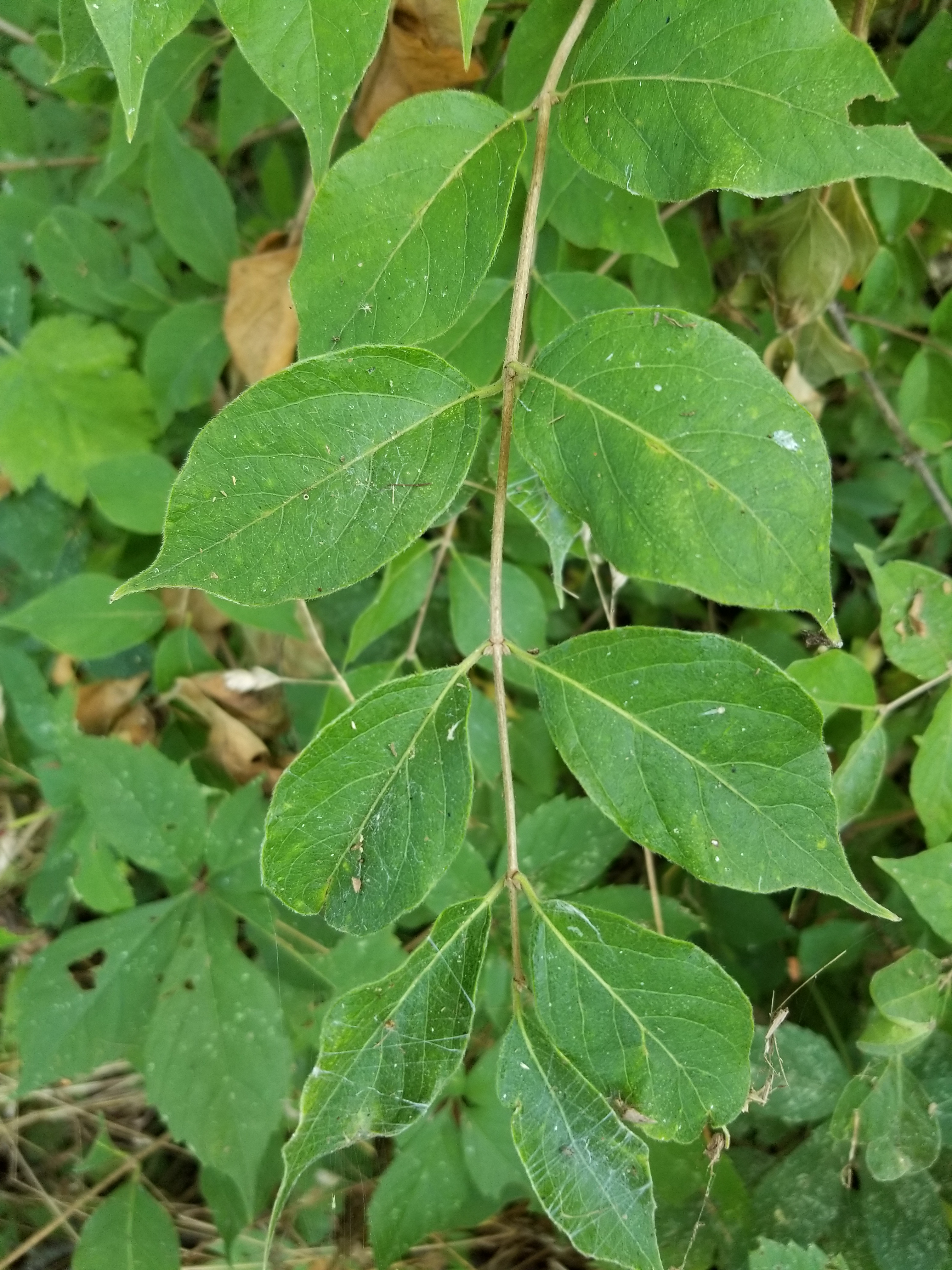
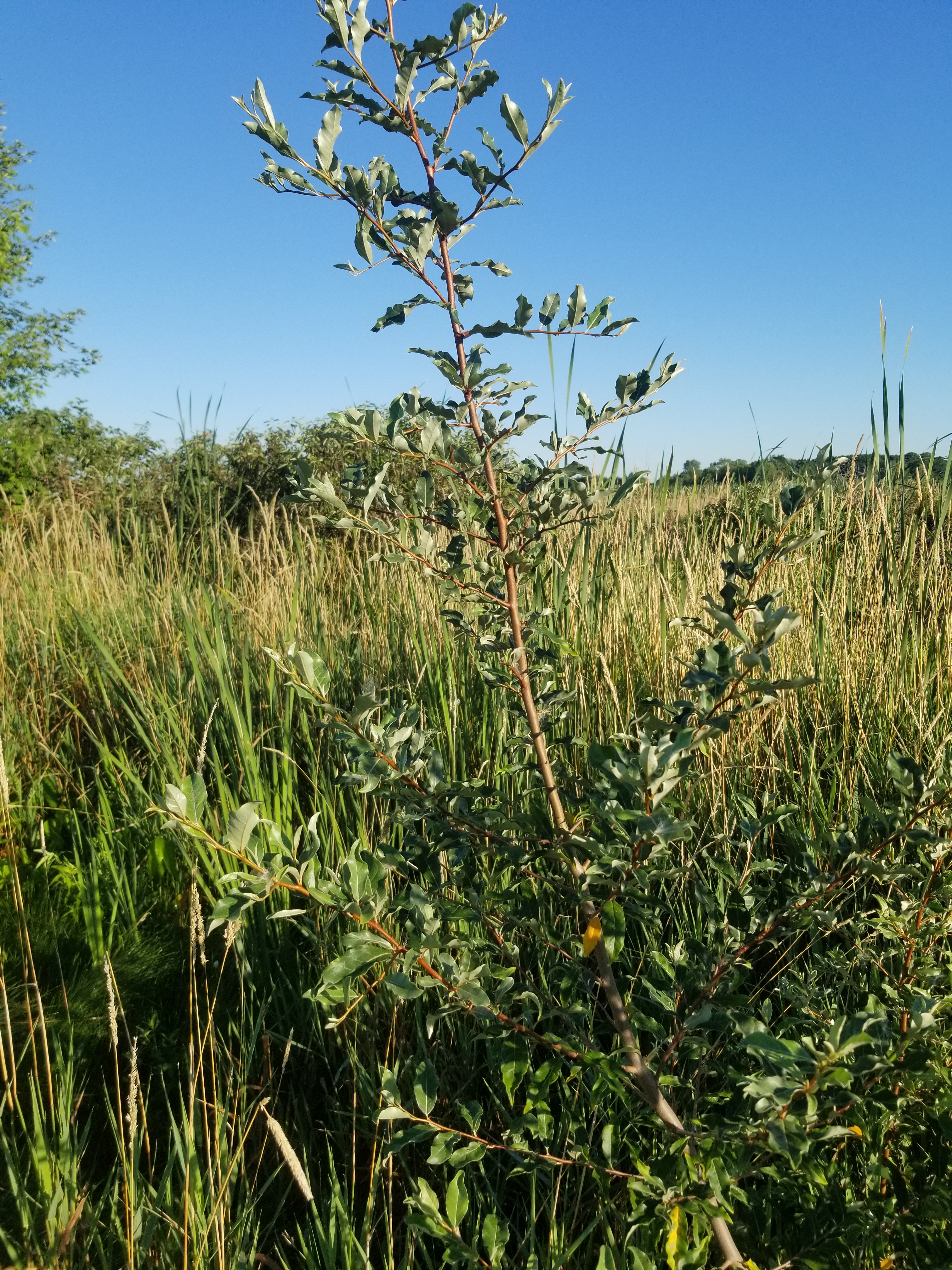
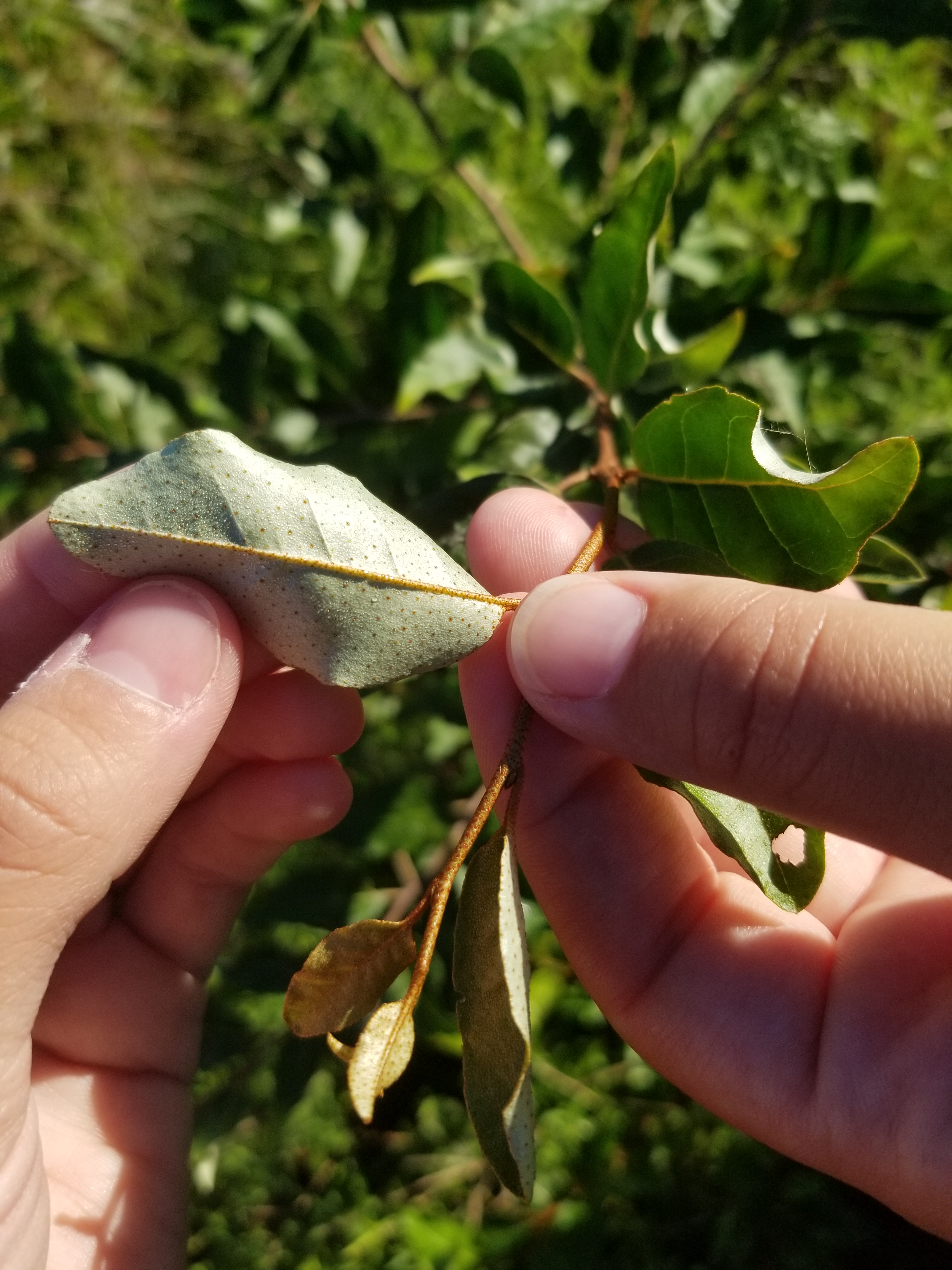

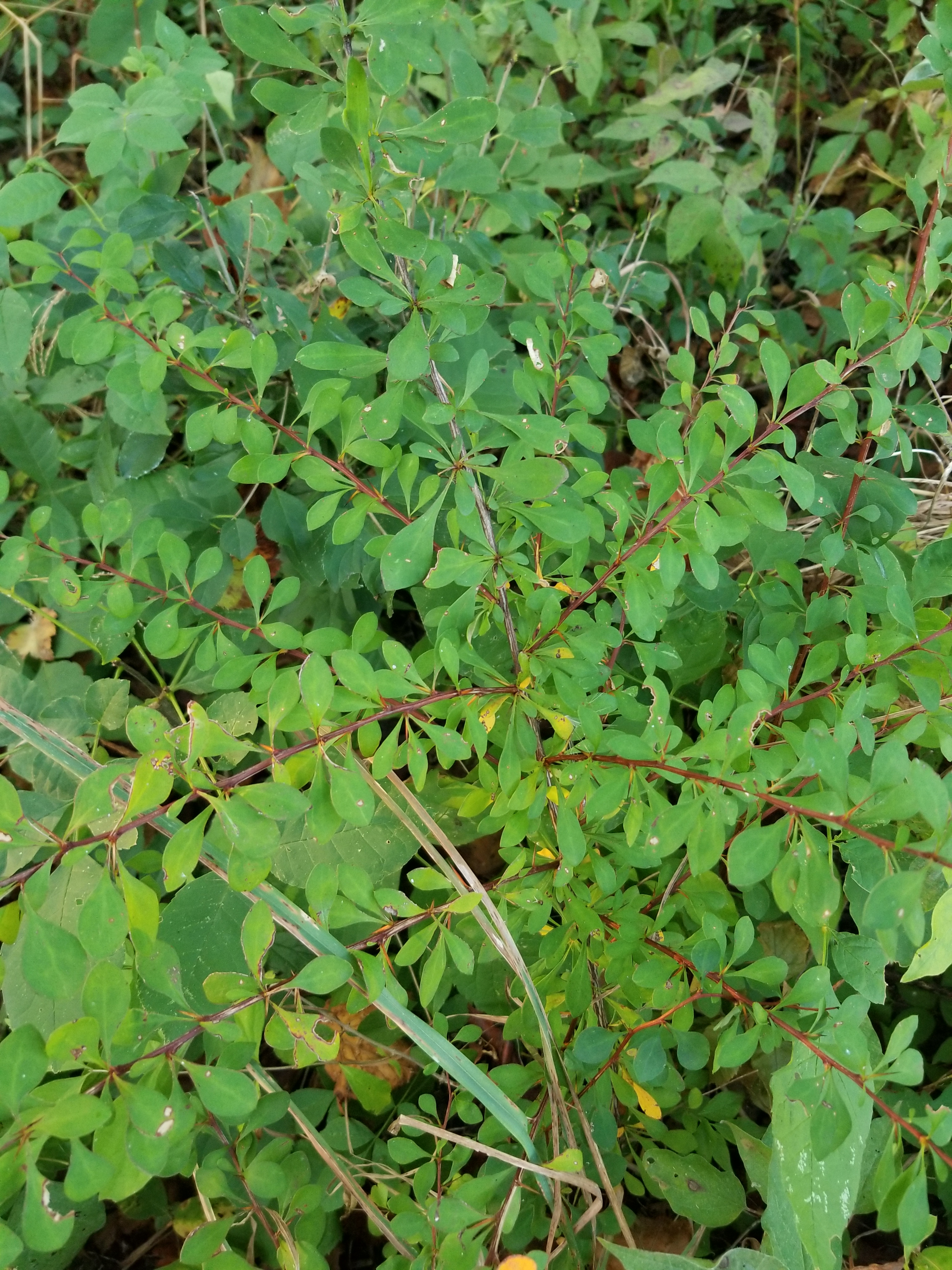
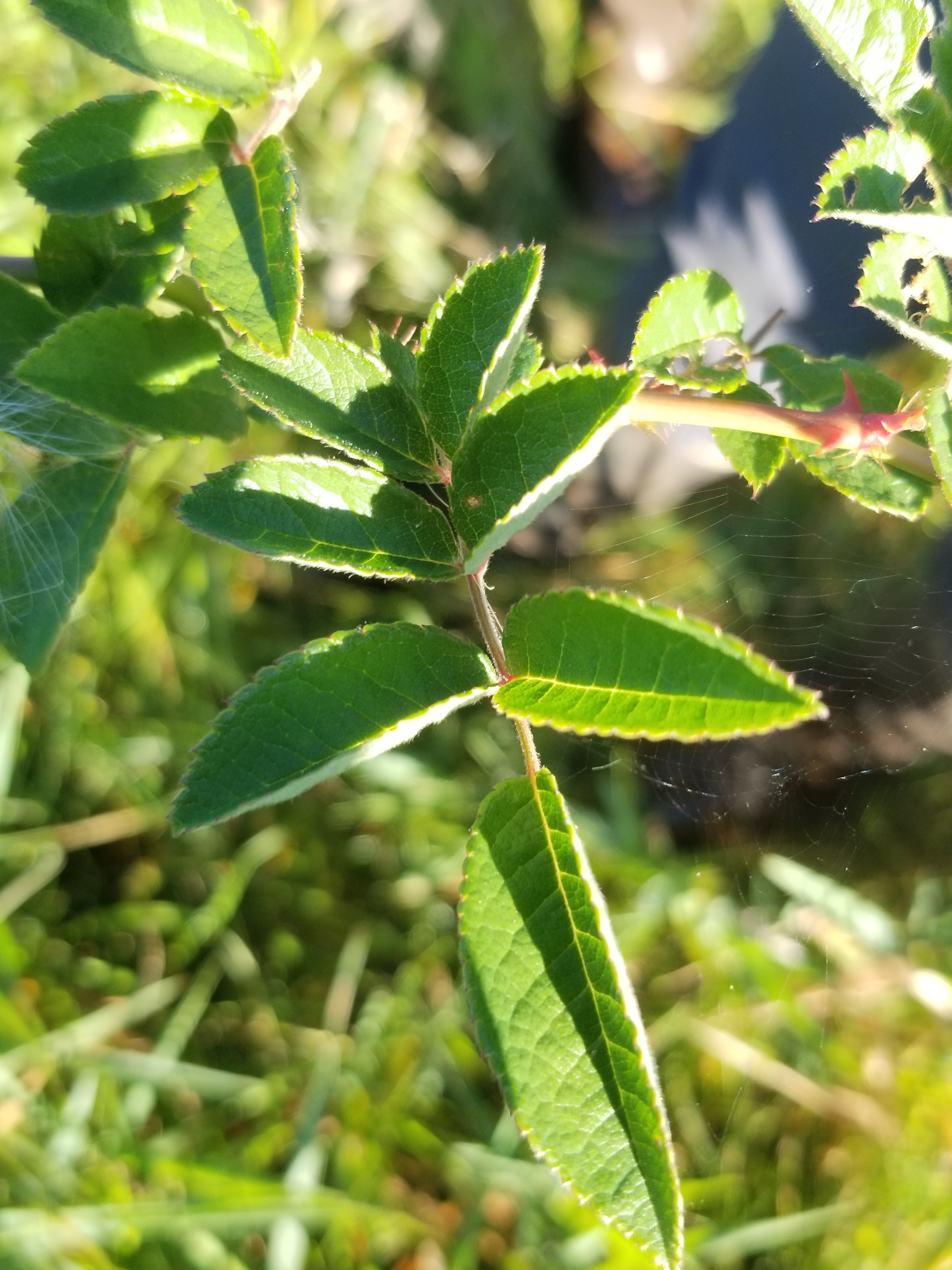
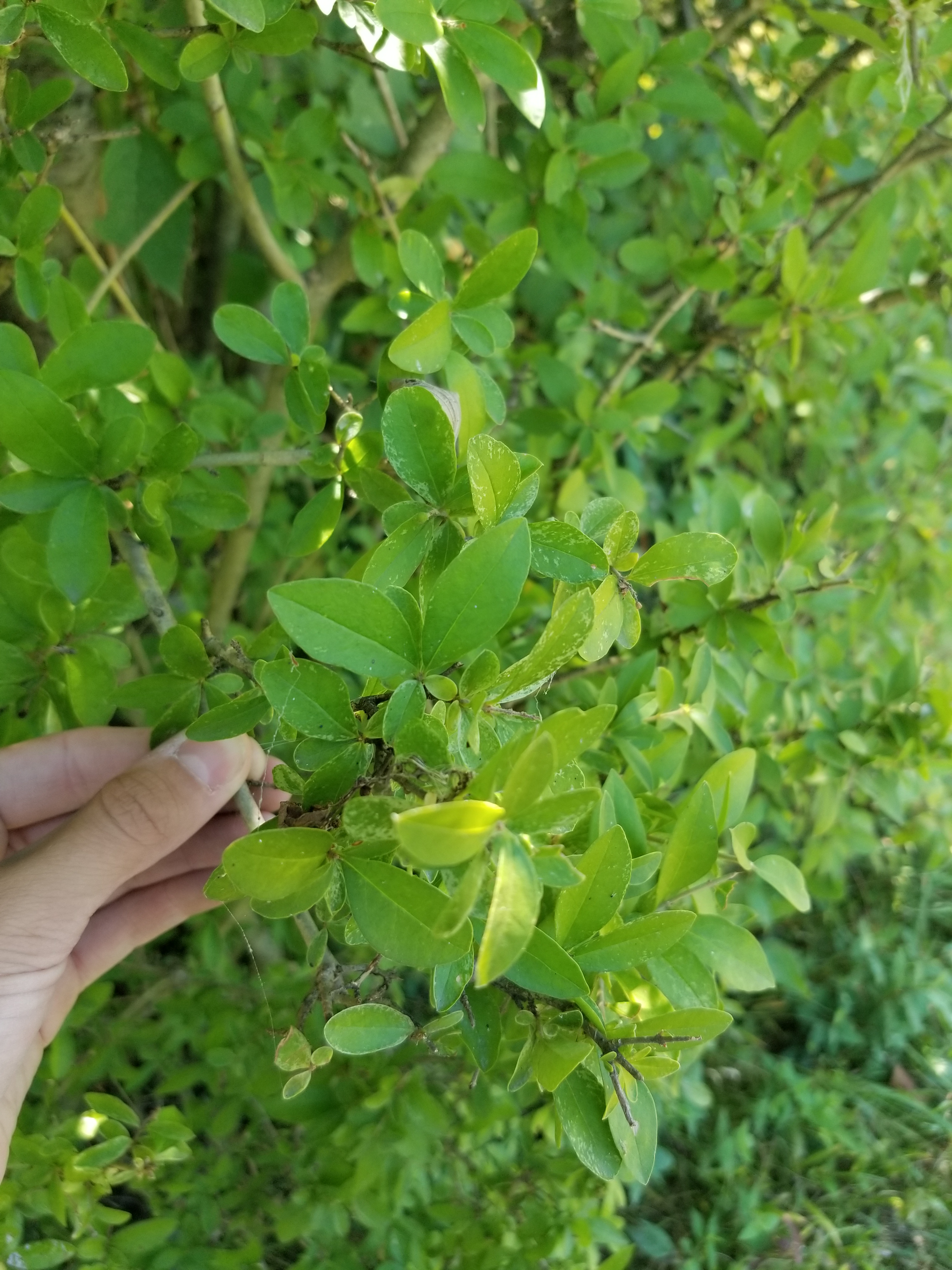

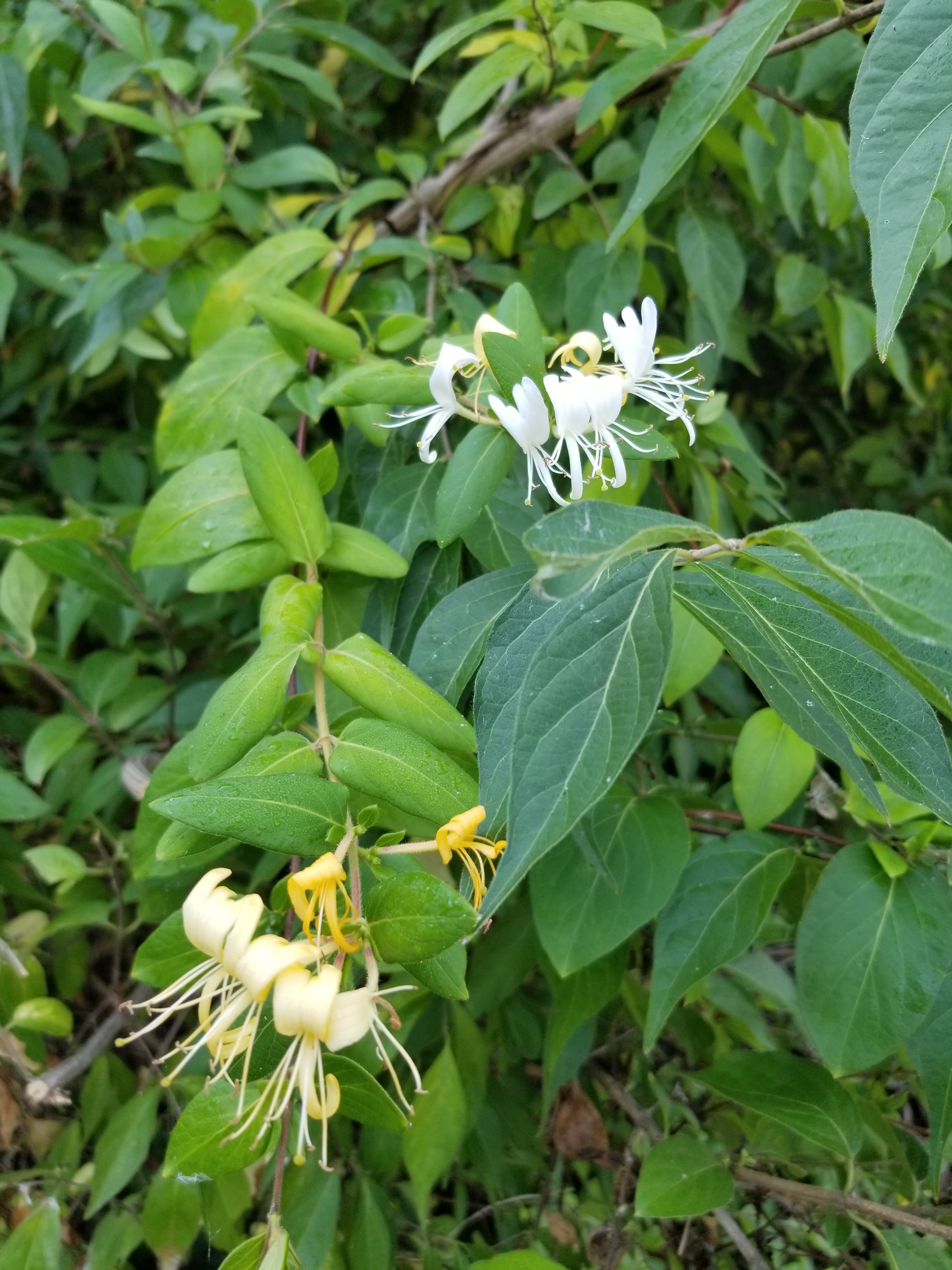
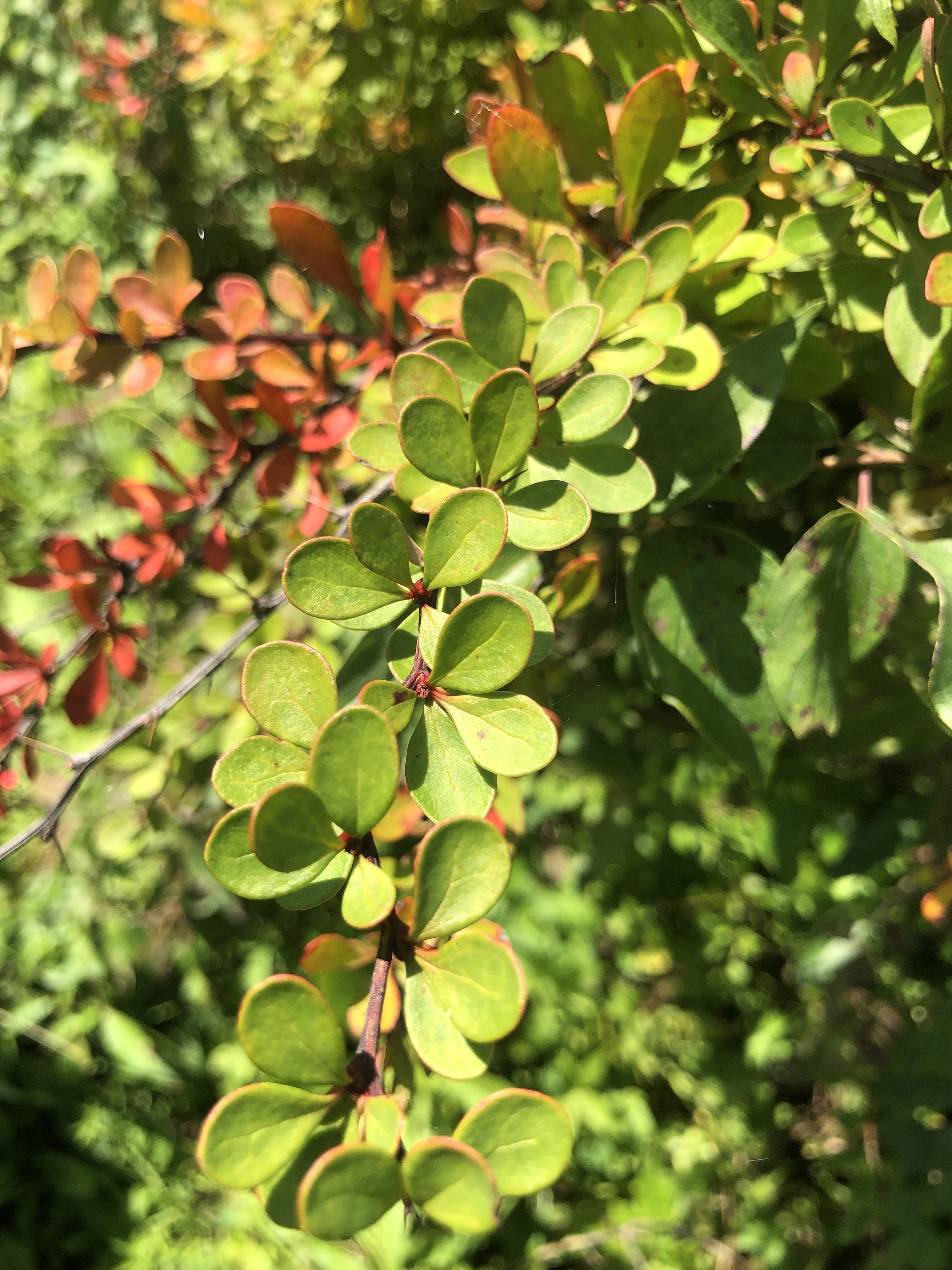

Above are examples of some of the invasive plants surveyed for on our DR-WLE CWMA member lands.
Top row, left to right: Amur honeysuckle, a small Autumn olive tree, an Autumn olive leaf, Common buckthorn leaves and berries, Red barberry.
Second row, left to right: Multiflora rose, Common privet, Spotted knapweed, Golden-and-silver honeysuckle and Amur honeysuckle.
Third row, from left to right: Red barberry, Floating water-primrose.
Photos by DR-WLE CWMA/USFWS
 Detroit River-Western Lake Erie Cooperative Weed Management Area (DR-WLE CWMA)