General Answer
Invasive species is a term that biologists use to label a species that is detrimental to an ecosystem and that has arrived in said ecosystem ahead of a natural timeline.
An Exact Definition
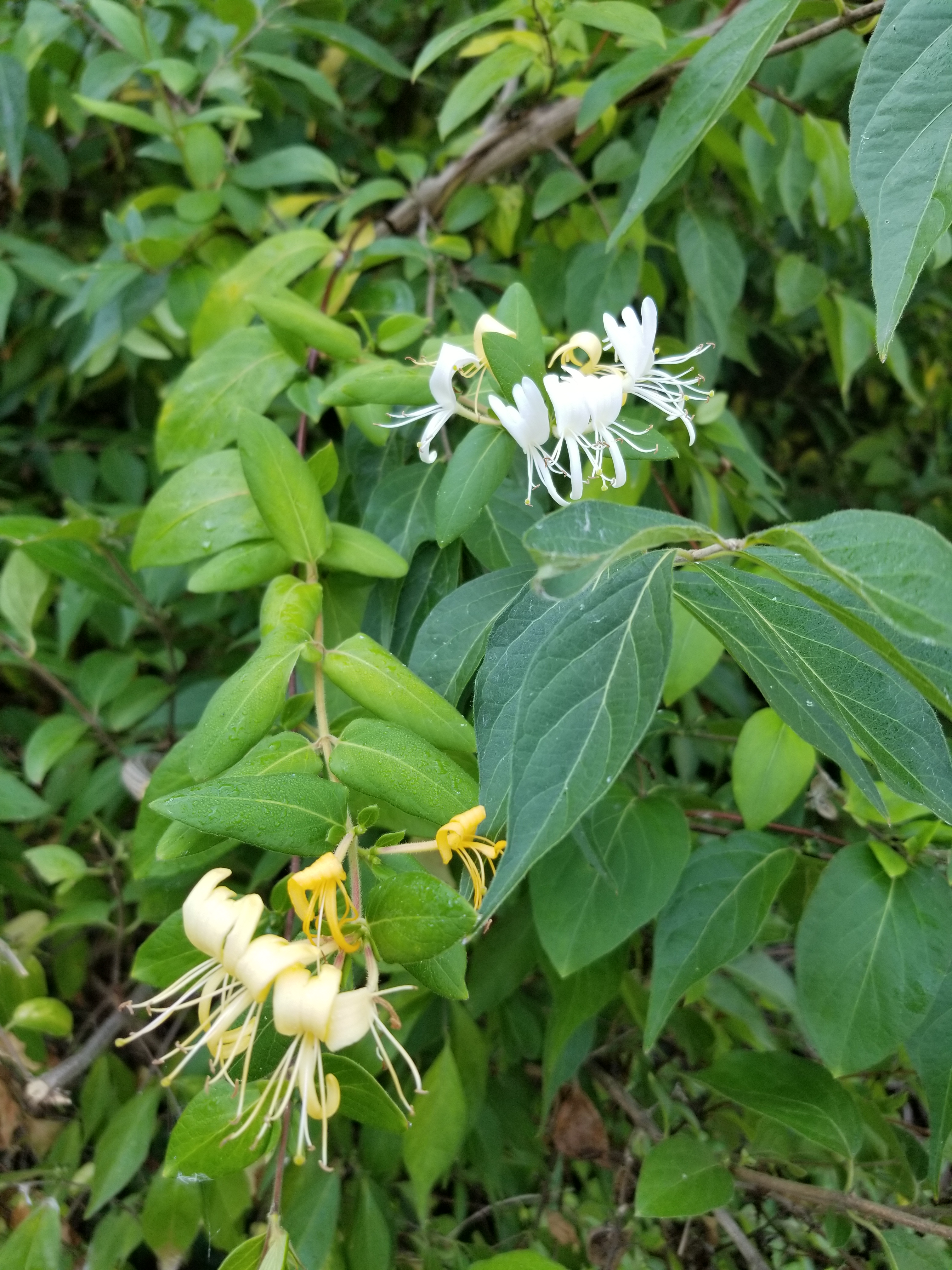
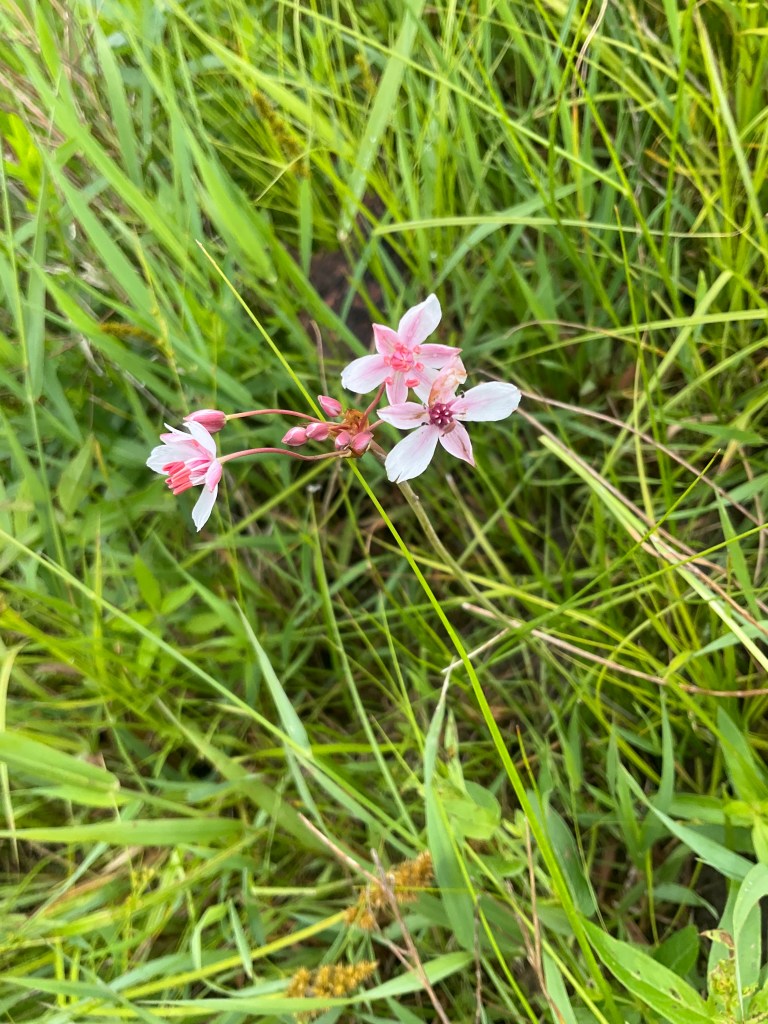
To answer the question, we need to understand some definitions first. In all of the Animal, Plant, Fungi, and Bacterial Kingdoms, there are what’s known as native species, non-native species, invasive species, and aggressive native species. Native species are species that are present in an evolutionary time-scale or occurring naturally. Non-native species are species that are introduced to an ecosystem. These can be purposely carried (such as an ornamental plant intended for a private garden) or accidentally, if seeds or fragments were stuck to something else being shipped abroad. All invasive species are non-native species, and they are species that would do harm to the ecosystem they are introduced to. This means they outcompete native species, taking all the sunshine, water, food before native species. This also means an invasive species can also do harm to other species, by eliminating a food source, or providing a poorer option. Invasive species can be toxic, changing the ecosystem to better suit their needs, and making it inhospitable to native species. Aggressive native species behave the same way, but are found naturally within the ecosystem.
“A thing is right when it tends to preserve the integrity, stability and beauty of the biotic community. It is wrong when it tends otherwise.”
Aldo Leopold
 Detroit River-Western Lake Erie Cooperative Weed Management Area (DR-WLE CWMA)